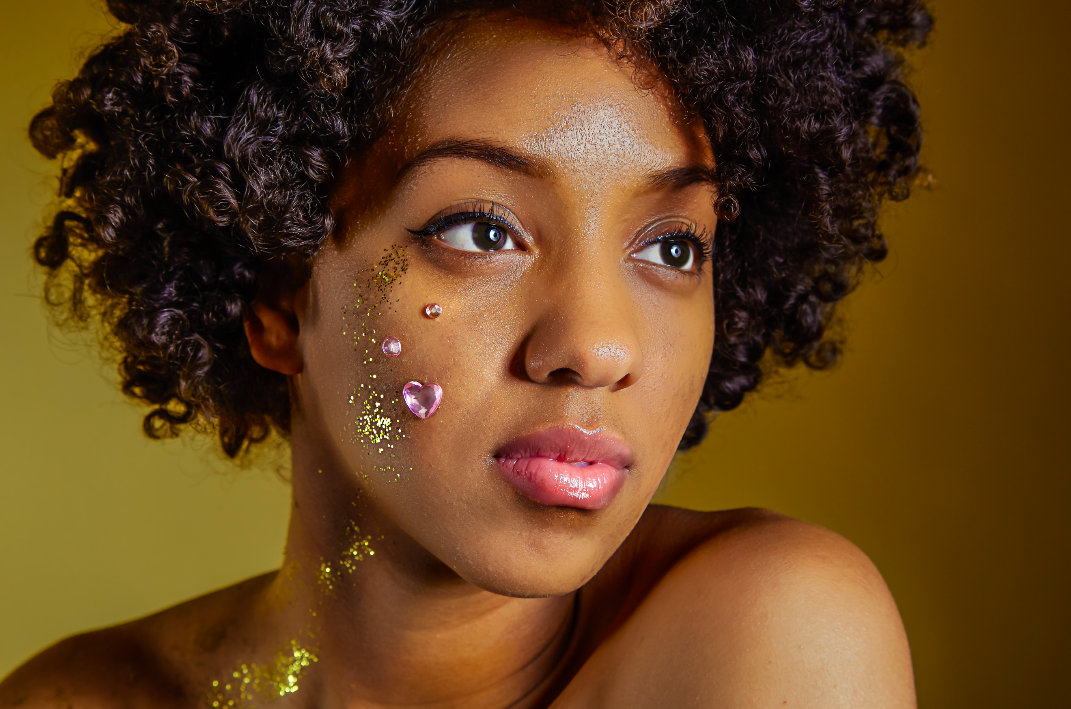
Topics to research before transitioning to natural hair

Before transitioning to natural hair, you should start first by doing some research about your hair so you know exactly what to aim for and you can track the progress of your hair transitioning journey. To guide you along the process, we’ve collated a few key things you need to know about your natural hair.
Although there are many things you need to know about taking care of your natural hair, the following tips will give you a solid base to understand the essentials of black hair management.
The science of black hair
Researching fundamental aspects of hair, such as hair growth stages, scalp anatomy, and the various chemical connections that make up the hair fibre is necessary. Having an understanding of the specifics of your hair will help you weed out internet hair articles, recommendations, and advice that is excessively biased and make bogus product claims.
Hair texture
Run your fingers through your hair to learn about its texture. Is it coily, curly or both?
Hair type
Find out whether you have Type 3 or Type 4 hair. You can also go as far as finding out the alphabetical category of hair typing i.e., whether it is type 3a, 3b, 3c, 4a, 4b, 4c. The rationale is that understanding your hair type will assist you in making important choices regarding your hair, particularly in terms of product and hair styling.
Hair growth rate
By keeping track of your hair’s growth rate with a ruler or tape measure, you can determine how quickly it grows. You should make sure to take these measures every four weeks for around three months in order to have an exact picture of how much your hair grows on a monthly basis, and then you should average these results.
Hair density/volume
If you’re transitioning from relaxed to natural hair, you may not be able to tell how much hair you have, especially if your relaxed hair is unhealthy. The length of time it takes your stylist to style your hair can also be used to gauge how full it is. For instance, a person with low hair density might just need to spend two hours getting a specific hairstyle done, whereas a person with the same length hair but a greater density might need to spend three hours on it.
Hair porosity
Understanding your hair’s porosity is essential for selecting the right hair care products and ensuring your hair retains moisture. Research the different methods for testing hair porosity and the best products for low, medium, and high-porosity hair.
Basic ingredients
There are three things to know during the transitioning stage of your natural hair journey: ingredients that your hair needs to look its best, products that are nice to have but won’t cause hair damage and products you should stay away from. Ingredients are challenging since they can react differently to different hair types depending on the porosity and the kind of hair you have. The hair porosity and hair type/texture are frequently to blame for a product working well for one person but not the other. You should experiment with several hair products to observe how your hair responds to them.
Protective styling
Protective styling is crucial for maintaining healthy natural hair. Research different protective styles that will keep your hair healthy and protected, such as braids, twists, and updos.
Protein and moisture balance
Natural hair needs a balance of protein and moisture to stay healthy. Research the signs of protein and moisture imbalance and the best products to correct it.
By researching these topics and others that interest you, you can better prepare yourself for a successful and enjoyable transition to natural hair.