
Dealing with Skincare Concerns: A Guide to Better Skin

Taking care of your skin can sometimes feel like a never-ending journey, with new concerns popping up at every turn. From acne and wrinkles to dryness and hyperpigmentation, it can be challenging to know where to begin when it comes to tackling your skincare issues.
However, the good news is that with the right knowledge and approach, it is possible to address these concerns and achieve healthy, radiant skin. This guide will provide you with a comprehensive overview of the most common skincare concerns, their causes, and practical tips and advice for dealing with them.
Whether you’re a skincare novice or an experienced enthusiast, this guide is designed to help you navigate the complex world of skincare and find the best solutions for your unique concerns. So, let’s dive in and discover how to achieve your best skin yet.
Types of Skin Concerns
Acne is a common skin condition that affects people of all ages. It can be caused by a variety of factors, including hormonal changes, diet, and stress. To deal with acne, it’s important to keep your skin clean and free of oil. This can be achieved by washing your face twice a day with a gentle cleanser and avoiding products that contain harsh chemicals or fragrances. In addition, you can use over-the-counter acne medications, such as benzoyl peroxide or salicylic acid, to help unclog your pores and prevent breakouts.
Dark spots, also known as hyperpigmentation, can be caused by a variety of factors, including sun exposure, hormonal changes, and acne. To reduce the appearance of dark spots, it’s important to protect your skin from the sun by using a broad-spectrum sunscreen with an SPF of 30 or higher. You can also use skincare products that contain brightening ingredients, such as vitamin C or hydroquinone, to help even out your skin tone.
Fine lines and wrinkles are a natural part of ageing, but they can also be caused by sun exposure and other environmental factors. To reduce the appearance of fine lines and wrinkles, it’s important to protect your skin from the sun and to use skincare products that contain anti-ageing ingredients, such as retinol or hyaluronic acid. In addition, you can try using a face massage tool or doing facial exercises to help boost circulation and improve the elasticity of your skin.
Dry skin can be caused by a variety of factors, including genetics, environmental factors, and certain medical conditions. To deal with dry skin, it’s important to use a gentle cleanser and moisturize regularly with a product that is designed for your skin type. In addition, you can try using a humidifier in your home, as well as drinking plenty of water, to help hydrate your skin from the inside out.
Read: The Pros and Cons of Various Skincare Treatments
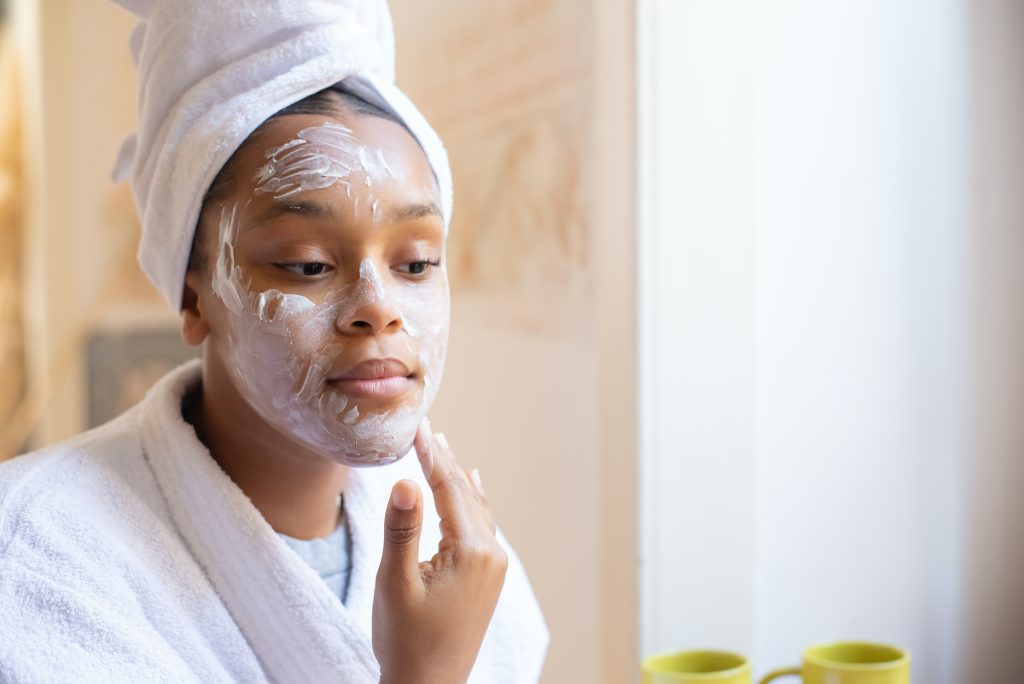
Sensitive skin can be a challenge to deal with, as it is often easily irritated by skincare products and other environmental factors. To deal with sensitive skin, it’s important to avoid products that contain harsh chemicals or fragrances, and to use gentle, hypoallergenic products instead. You can also try using a face mask or face oil to help soothe and nourish your skin.
Taking care of your skin is an essential aspect of your overall health and well-being. Whether you’re dealing with acne, dryness, or ageing concerns, it’s important to develop a skincare routine that works for you. By understanding your skin type, choosing the right products, and making healthy lifestyle choices, you can help keep your skin looking and feeling its best.
Remember that skincare is not a one-size-fits-all solution, and what works for someone else may not work for you. Be patient and persistent in your efforts to find the right products and practices that work for your individual needs. And don’t hesitate to seek advice from a dermatologist or skincare professional if you have persistent concerns.
In addition to taking care of your skin, be sure to prioritize your overall health and well-being by staying hydrated, eating a balanced diet, getting enough sleep, and managing stress. These habits can all contribute to healthy, glowing skin.
Ultimately, the key to dealing with skincare concerns is to be proactive, informed, and consistent in your efforts to care for your skin. With the right approach, you can achieve healthy, beautiful skin that makes you feel confident and comfortable in your own skin.